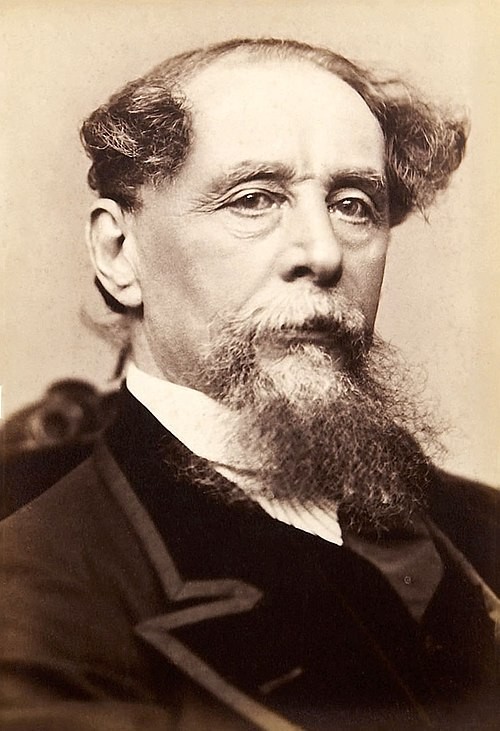
人物简介 · 履历展开 / 收起
Charles John Huffam Dickens ,7 February 1812 – 9 June 1870) was an English novelist, journalist, short story writer and social critic. He created some of literature's best-known fictional characters, and is regarded by many as the greatest novelist of the Victorian era.His works enjoyed unprecedented popularity during his lifetime and, by the 20th century, critics and scholars had recognised him as a literary genius. His novels and short stories are widely read today.
Born in Portsmouth, Dickens left school at age 12 to work in a boot-blacking factory when his father John was incarcerated in a debtors' prison. After three years, he returned to school before beginning his literary career as a journalist. Dickens edited a weekly journal for 20 years; wrote 15 novels, five novellas, hundreds of short stories and nonfiction articles; lectured and performed readings extensively; was a tireless letter writer; and campaigned vigorously for children's rights, education and other social reforms.
Dickens's literary success began with the 1836 serial publication of The Pickwick Papers, a publishing phenomenon—thanks largely to the introduction of the character Sam Weller in the fourth episode—that sparked Pickwick merchandise and spin-offs. Within a few years, Dickens had become an international literary celebrity, famous for his humour, satire and keen observation of character and society. His novels, most of them published in monthly or weekly instalments, pioneered the serial publication of narrative fiction, which became the dominant Victorian mode for novel publication. Cliffhanger endings in his serial publications kept readers in suspense.The instalment format allowed Dickens to evaluate his audience's reaction, and he often modified his plot and character development based on such feedback.For example, when his wife's chiropodist expressed distress at the way Miss Mowcher in David Copperfield seemed to reflect her own disabilities, Dickens improved the character with positive features. His plots were carefully constructed and he often wove elements from topical events into his narratives. Masses of the illiterate poor would individually pay a halfpenny to have each new monthly episode read to them, opening up and inspiring a new class of readers.
His 1843 novella A Christmas Carol remains especially popular and continues to inspire adaptations in every creative medium. Oliver Twist and Great Expectations are also frequently adapted and, like many of his novels, evoke images of early Victorian London. His 1853 novel Bleak House, a satire on the judicial system, helped support a reformist movement that culminated in the 1870s legal reform in England. A Tale of Two Cities (1859; set in London and Paris) is regarded as his best-known work of historical fiction. The most famous celebrity of his era, he undertook, in response to public demand, a series of public reading tours in the later part of his career.The term Dickensian is used to describe something that is reminiscent of Dickens and his writings, such as poor social or working conditions, or comically repulsive characters.
WORKS
参与作品
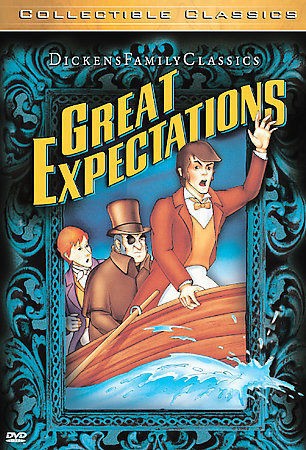
远大前程
Great Expectations
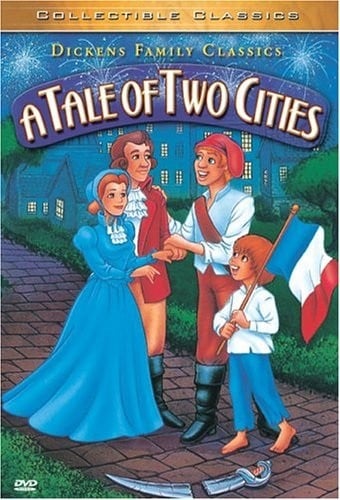
双城记
A Tale of Two Cities
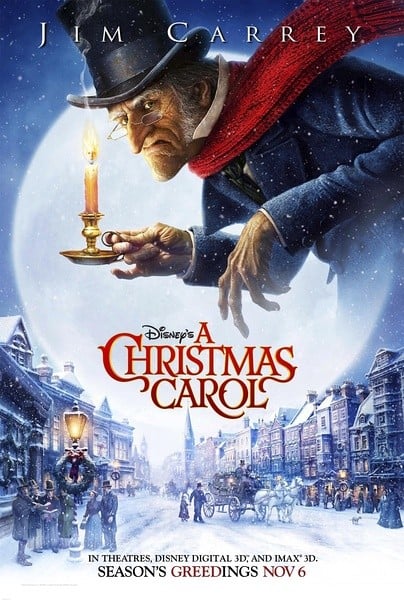
圣诞颂歌
A Christmas Carol
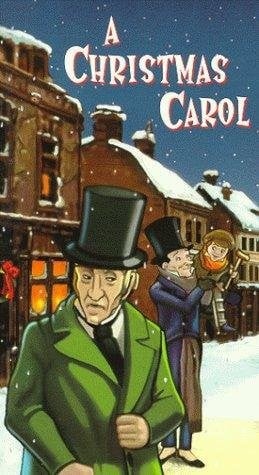
圣诞颂歌
A Christmas Carol
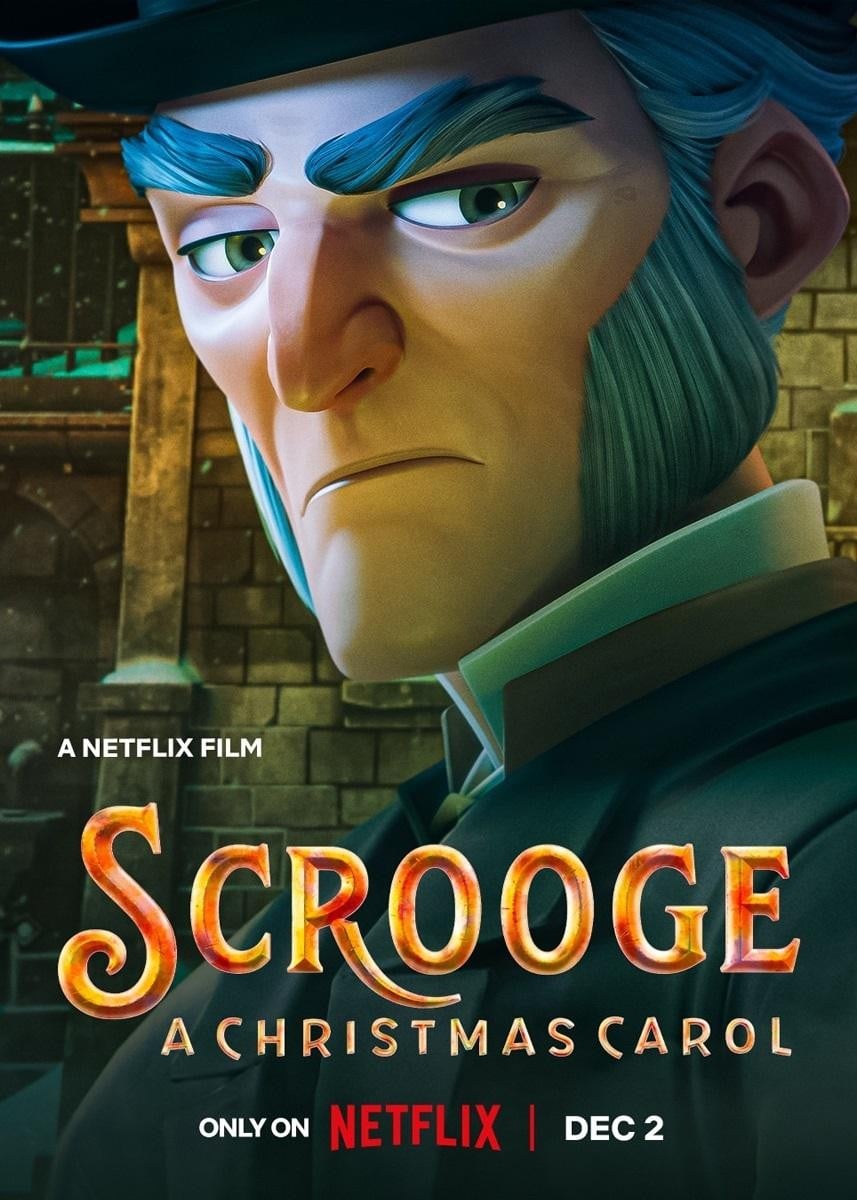
斯克鲁奇:圣诞颂歌
Scrooge: A Christmas Carol
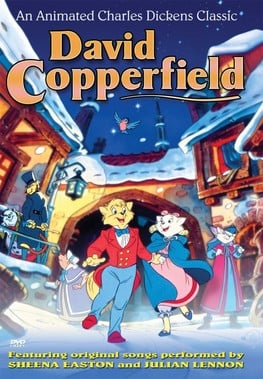
大卫 科波菲尔
David Copperfield
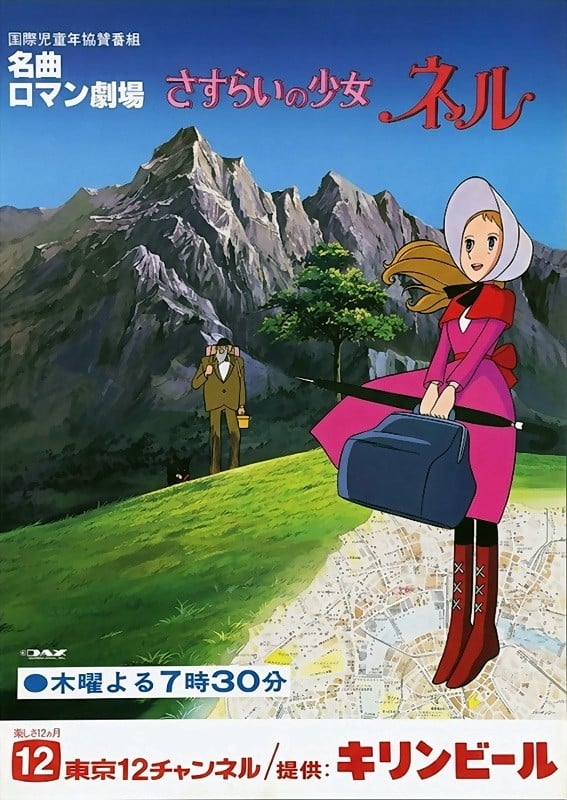
流浪少女娜儿
さすらいの少女ネル
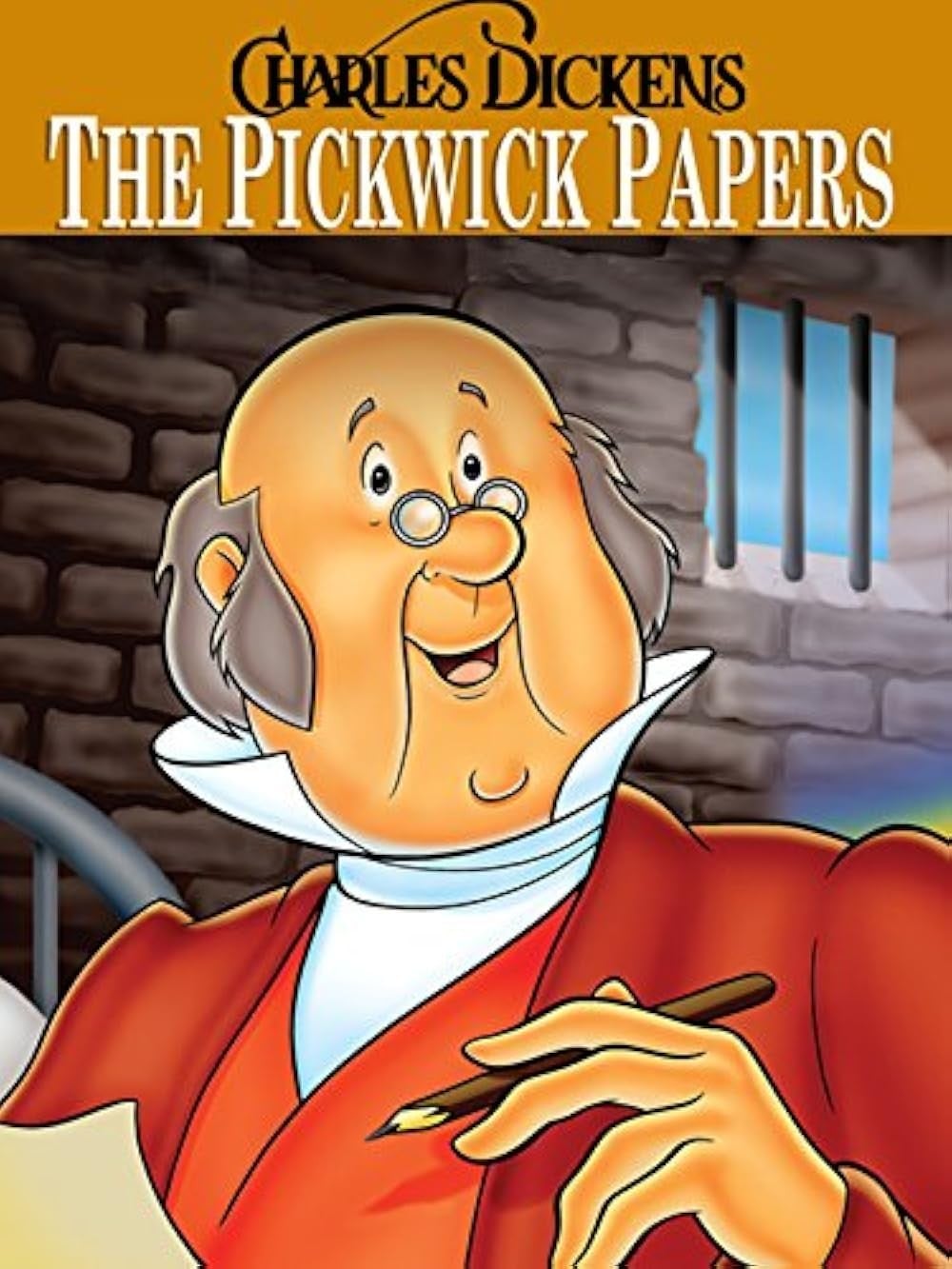
匹克威克外传
The Pickwick Papers
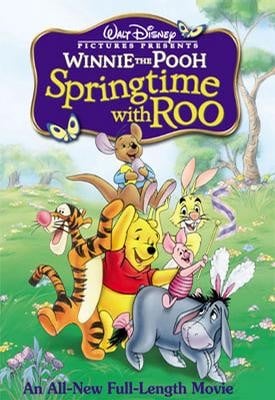
小熊维尼:春天的百亩森林
Winnie the Pooh: Springtime with Roo
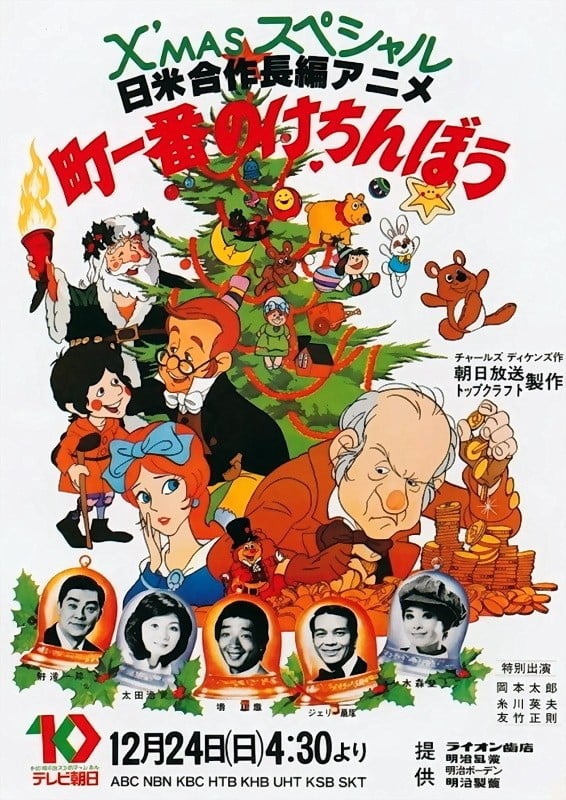
城里最吝啬的人
町一番のけちんぼう
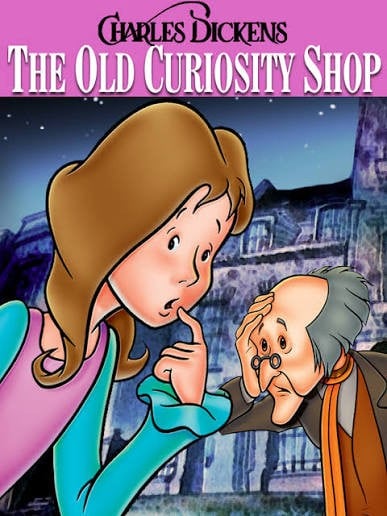
天涯稚情
The Old Curiosity Shop
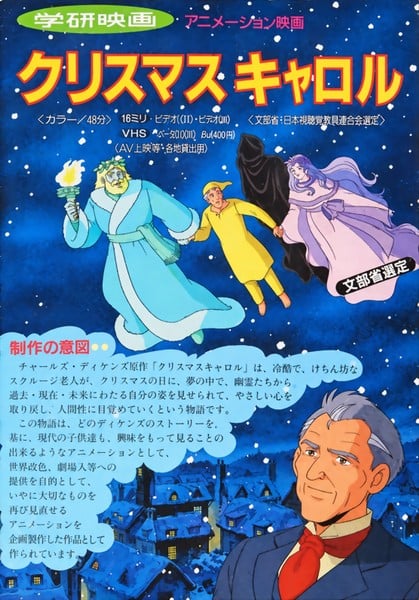
圣诞颂歌 学研版
クリスマスキャロル